Keeping Watch on Whales: Prince Rupert Cruise Port Supports Innovative Marine Protection Initiative
Prince Rupert Cruise Port (PRCP) is investing in marine wildlife protection through its initial and ongoing financial contributions to the Prince Rupert-based WhaleSpotter, an AI-powered whale detection system designed to reduce the risk of vessel strikes.
Protecting marine wildlife in a busy coastal community requires collaboration across the maritime industry. Managed by the Prince Rupert Port Authority (PRPA), the project brings together local marine industry partners, including DP World, SAAM Towage, Trigon, Pembina, AltaGas, and Gitxaala Enterprises, to support safer coexistence between maritime operations and marine wildlife. Alongside these partners, PRCP has provided initial funding toward the project and has committed to annual contributions supporting its ongoing maintenance and operational expenses.
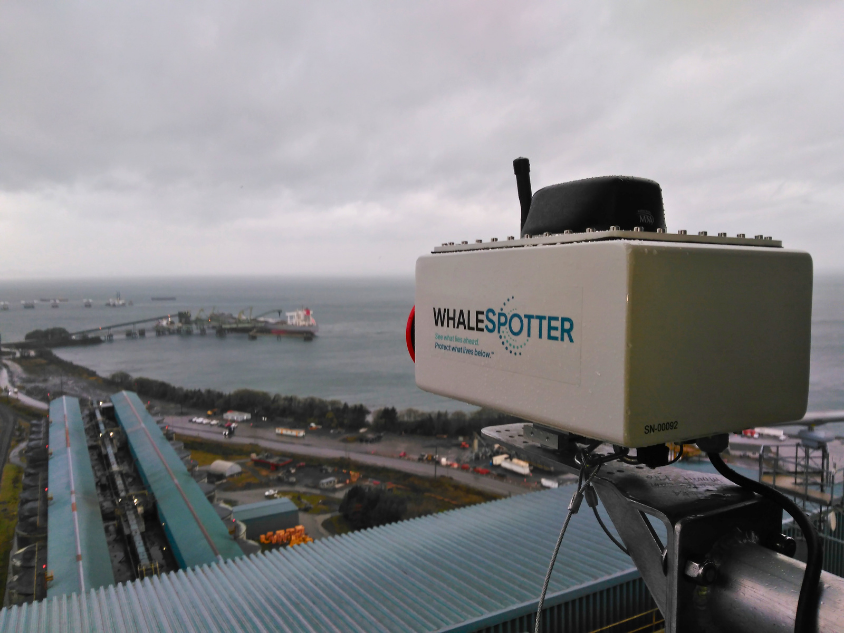
Launched on November 12, WhaleSpotter uses thermal imaging and artificial intelligence to detect whales from up to two nautical miles away. Installed on the tenth floor of Prince Rupert Grain Terminal on Ridley Island, nine kilometres from Prince Rupert Cruise Port, the system provides continuous monitoring of surrounding waters.
Traditional whale spotting relies heavily on human observation, which can be affected by visibility, weather conditions and observer fatigue. WhaleSpotter combines AI-powered detection with expert human verification: artificial intelligence identifies potential sightings, which are then reviewed by marine specialists before alerts are shared. This approach provides marine operators with timely, verified information about whale presence, allowing them to make informed decisions and take evasive action when necessary to reduce the risk of vessel strikes.
As a cruise port operating within this shared marine environment, PRCP recognizes the importance of investing in practical solutions that support responsible vessel operations and the long-term protection of local waters. PRCP is proud to be part of this collaborative initiative and contribute to a safer marine environment for the wildlife and industries that share our coastal waters.